Unmasking Betrayal: How the Friends Like These Documentary Explores Skylar Neese's Tragic Story
The disappearance and subsequent murder of 16-year-old Skylar Neese rocked the quiet community of Morgantown, West Virginia, in 2012. What began as a baffling missing person case quickly evolved into a harrowing tale of teenage betrayal, casting a dark shadow over the very concept of friendship. Hulu's compelling
Friends Like These: The Murder of Skylar Neese documentary dives deep into this tragic event, offering viewers an "inside-out investigation" that meticulously reconstructs the timeline through the eyes of Skylar and her peers, challenging initial perceptions and ultimately revealing a devastating truth.
The Vanishing Act: Skylar Neese's Disappearance and the Initial Search
On the night of July 5, 2012, Skylar Neese, a typical high school sophomore who worked part-time at Wendy's and maintained good grades, returned home late from her shift. She informed her parents, Dave and Mary Neese, that she was tired and intended to go straight to bed. The following morning, however, her father discovered something amiss. Skylar's bedroom door, which she rarely locked, was secured. After forcing it open, he was met with an unsettling sight: her bed hadn't been slept in. Mary Neese, at work, received the alarming call that their daughter was gone. Initially, it was believed Skylar might simply be out with friends, perhaps shopping with her inseparable best friend, Shelia Eddy.
A large-scale search effort quickly commenced across Morgantown. Authorities initially leaned towards the theory that Skylar had voluntarily left home, possibly climbing out of her bedroom window during the night. This belief was fueled by the lack of forced entry and the typical behaviors sometimes associated with teenagers seeking independence or escaping perceived pressures. However, as the investigation progressed, subtle inconsistencies began to surface. These discrepancies, often overlooked in the early stages of a missing person case, slowly began to raise serious questions about what truly transpired in the critical hours before Skylar vanished. The
Friends Like These Documentary expertly uses police records and news reports from this period to highlight these initial assumptions and the gradual shift in the investigation's focus.
A Seemingly Normal Life: Skylar and Her Inner Circle
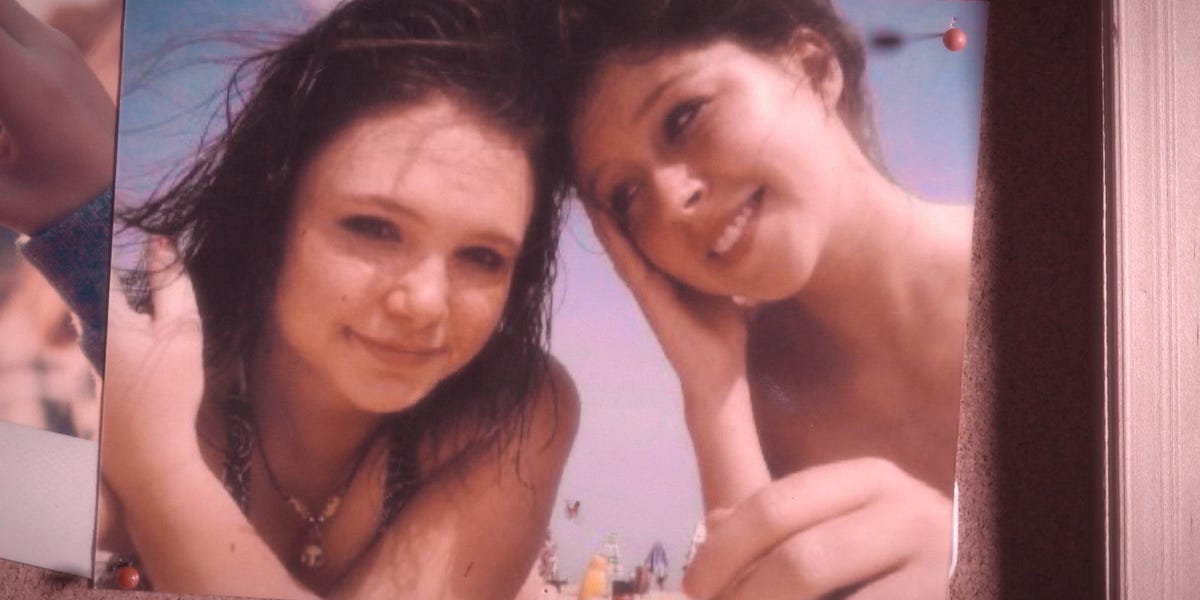
Morgantown, a university town best known as the home of West Virginia University, provided the backdrop for Skylar's life. By all accounts, she was a typical teenager, navigating the complexities of high school life, balancing work with studies, and, most importantly, spending the majority of her free time with a tight-knit group of friends. At the very core of this circle were two girls Skylar had known for years: Shelia Eddy and Rachel Shoaf. The trio was a common sight around town and at school, often seen driving around late into the night or simply spending time at each other's homes.
Skylar's parents frequently spoke of her profound bond with Shelia Eddy. Mary Neese, in the documentary, recalls their friendship, stating, "They had been friends since they were eight years old. They were inseparable." This deep-rooted connection forms the emotional anchor of the Friends Like These Documentary, underscoring the profound shock and disbelief that would later grip the community. However, beneath the surface of this seemingly idyllic friendship, tensions were reportedly brewing within the group in the months leading up to Skylar's disappearance. While these conflicts did not initially appear serious enough to alarm the adults around them, they provide a crucial context for understanding the unraveling of events. The documentary excels in "building that world" of teenage friendships, showing how even the closest bonds can harbor unspoken resentments and dangerous secrets.
Unraveling the Betrayal: Inconsistencies and the Digital Trail
The initial "runaway" theory began to crumble as investigators delved deeper. The inconsistencies weren't just about Skylar's behavior; they started to involve the narratives provided by her friends. The Friends Like These Documentary meticulously pieces together how the digital age played a pivotal role in both the formation and the eventual exposure of the truth behind Skylar's fate. Social media activity, text messages, and online interactions, initially appearing as innocuous teenage chatter, became critical pieces of evidence.
The documentary uses archival footage, actual social media posts, and police records to trace the digital breadcrumbs left behind. This is where the "inside-out investigation" truly shines, offering a glimpse into the internal dynamics of the friendship group and how their online personas and private communications revealed a darker undercurrent. The contrast between outward appearances and the hidden realities exchanged through digital platforms is a recurring theme. For instance, while friends outwardly expressed concern for Skylar's disappearance, their digital communications often told a different story. This highlights a modern challenge in investigations: how to interpret and authenticate digital footprints, which can sometimes be curated to present a false reality. The Friends Like These Documentary serves as a stark reminder of how our online lives can both connect us and, tragically, sometimes expose profound betrayals.
The Impact of "Friends Like These Documentary"
What sets
Friends Like These: The Murder of Skylar Neese apart from other retellings of this tragic story is its deliberate choice to approach the narrative from the "inside-out." Director Clair Titley emphasized this perspective, aiming to immerse viewers in Skylar’s world and the intricate relationships within her peer group. Instead of merely presenting a chronological account of the investigation, the Friends Like These Documentary delves into the emotional landscape, the shared experiences, and the eventual, horrifying breakdown of trust that defined this case.
By leveraging archival footage, social media content, and police interviews, the documentary reconstructs the atmosphere of those pivotal months and days. It allows audiences to not only witness the official investigative process but also to understand the context of the friendships, the nascent conflicts, and the psychological dimensions that led to such an unthinkable act. The poignant testimonies from Skylar's parents, Mary and Dave Neese, are particularly powerful, providing an essential human element to the tragedy. Their raw grief and bewilderment underscore the devastating impact of such a betrayal on a family and a community. The Friends Like These Documentary offers valuable insights into the complex dynamics of teenage friendships, the power of digital communication in both good and ill, and the enduring quest for truth and justice in the face of unimaginable loss. It serves as a compelling case study for anyone seeking to understand the psychological complexities behind such horrific events.
Conclusion
The story of Skylar Neese, as explored in the Friends Like These Documentary, is more than just a true crime narrative; it's a profound examination of trust, betrayal, and the hidden dangers that can lurk within even the closest bonds. By meticulously piecing together the events from Skylar's perspective and that of her peers, the documentary provides a unique and deeply affecting look at how a seemingly normal teenage life could be shattered by those she held dearest. It highlights the critical role of vigilance, not just from parents and authorities, but also in observing the often subtle shifts in social dynamics that can precede devastating outcomes. The
Friends Like These Documentary stands as a powerful testament to Skylar's memory, offering viewers a comprehensive and empathetic exploration of a tragedy that continues to resonate with its heartbreaking lessons about friendship and its fragile nature.