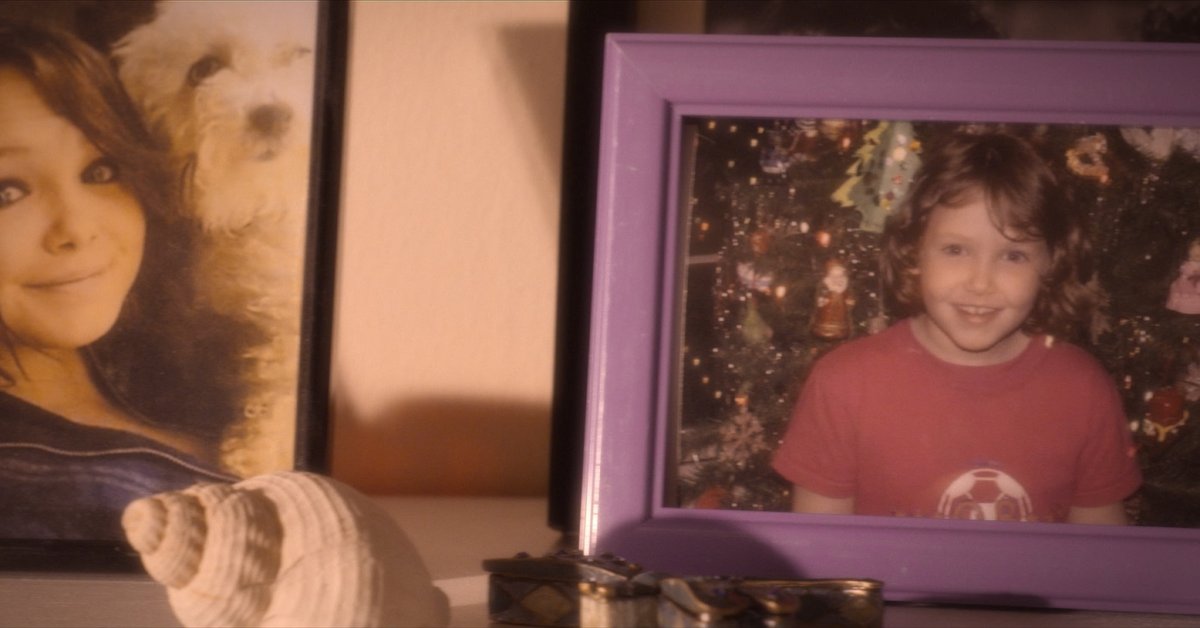
The Heartbreaking Truth: Unpacking Skylar Neese's Murder in "Friends Like These"
The tragic story of Skylar Neese, a West Virginia teenager whose life was cut short by an unthinkable act of betrayal, continues to resonate years later. At the heart of understanding this harrowing event is the compelling Hulu's Friends Like These: Unpacking Skylar Neese's Tragic Betrayal documentary. This powerful series offers a unique and deeply affecting look into the investigation of Skylar's 2012 murder, meticulously examining the delicate threads of friendship and the devastating impact of betrayal, especially pertinent in the complexities of the digital age. Far from being just another true-crime narrative, the Friends Like These Documentary strives to present an intimate, peer-level perspective on a case that shocked a nation.
A Disappearance Shrouded in Mystery
In July 2012, the quiet university town of Morgantown, West Virginia, became the epicenter of a frantic search when 16-year-old Skylar Neese vanished. Initially, authorities speculated that the high school sophomore might have voluntarily left home, perhaps slipping out of her bedroom window late at night. Skylar, by all accounts, led a typical teenage life: good grades, a part-time job at Wendy's, and a close-knit group of friends. Her parents, Dave and Mary Neese, corroborated her routine, making her disappearance all the more baffling.
However, as the investigation unfolded, a disquieting pattern of inconsistencies began to surface. The initial assumption of a runaway began to erode, replaced by growing concern over what truly transpired in the hours before her disappearance. The documentary Friends Like These leverages a rich tapestry of archival footage, social media posts, and police records to painstakingly reconstruct the timeline, peeling back layers of speculation to reveal the unsettling truth. This approach allows viewers to witness the investigative journey as it happened, highlighting the slow, methodical process of uncovering facts amidst a web of deceit.
For parents and guardians, Skylar's initial disappearance serves as a stark reminder of the importance of vigilance and open communication. While teenagers often seek independence, any sudden, unexplained absence warrants immediate and thorough investigation. It underscores that what might appear to be typical adolescent behavior could, in rare and tragic circumstances, mask a more sinister reality.
The Documentary's Unique Lens: An Inside-Out Investigation
What sets the Friends Like These Documentary apart is its deliberate choice of narrative perspective. Director Clair Titley emphasizes an "inside-out investigation," a method that prioritizes understanding the events from Skylar's viewpoint and that of her peers. "Early on, what we want to do is create a sort of an inside-out investigation. We look at it from Skylar’s and her peers’ perspective, and it’s all about building that world,” Titley explains. This focus on the social environment of a high schooler in a small town allows the documentary to delve deeper than surface-level reporting, exploring the nuances of teenage relationships and the pressures inherent within them.
The series meticulously reconstructs Skylar's world, where much of her time was spent with a small, intimate circle of friends. Central to this group were Shelia Eddy and Rachel Shoaf, two girls Skylar had known for years. Skylar's mother, Mary Neese, recounted their profound bond: "They had been friends since they were eight years old... They were inseparable." These were the friendships that defined Skylar's social landscape, making the eventual revelations all the more shocking. The documentary masterfully uses personal insights and digital footprints to illustrate how these close bonds, initially a source of comfort and camaraderie, could tragically unravel. To learn more about this unique approach, consider reading Friends Like These: Skylar Neese's Murder Explored Through Her Peers.
This documentary approach offers valuable lessons for viewers. By focusing on the peer perspective, it highlights the often-overlooked complexities of adolescent social dynamics, including the intense loyalties and rivalries that can develop. It’s a powerful exploration of how seemingly normal interactions can hide deeper, more disturbing undercurrents.
The Weight of Betrayal: A Friendship Turned Fatal
Despite the outward appearance of an inseparable trio, tensions reportedly began to simmer within Skylar's friend group in the months leading up to her disappearance. These conflicts, while perhaps not alarming to adults at the time, are meticulously re-examined by the Friends Like These Documentary, offering crucial context for the tragic events that followed. The digital age, with its constant connectivity and public display of friendships, often amplifies these dynamics, making private disputes potentially visible or creating new avenues for miscommunication and jealousy.
The night Skylar disappeared further underscores the chilling nature of the betrayal. Her father, Dave Neese, remembered Skylar returning home late from work, seemingly tired and ready for bed. The following morning, her locked bedroom door and undisturbed bed spoke volumes. Her mother, Mary, initially thought Skylar might be out with friends, perhaps with Shelia Eddy. The idea that those closest to Skylar could be involved in her disappearance, and ultimately her murder, forms the agonizing core of this narrative.
Learning from this aspect of the story, it's vital to recognize that even the closest friendships can experience strains, and sometimes, these strains can escalate into dangerous territory. While extreme cases like Skylar's murder are rare, it’s a stark reminder for both teenagers and adults to be mindful of:
- Changes in Behavior: A friend suddenly becoming withdrawn, secretive, or exhibiting uncharacteristic mood swings.
- Toxic Dynamics: Friendships characterized by excessive jealousy, manipulation, constant criticism, or attempts to isolate one person from others.
- Digital Footprints: Being aware of how online interactions and social media can reflect or exacerbate real-world tensions.
- Open Communication: Encouraging young people to speak up if they feel unsafe, uncomfortable, or sense something is wrong within their social circle.
The documentary serves not just as a recount of a crime but as a poignant examination of the devastating consequences when trust is shattered by those meant to be closest.
Conclusion: A Cautionary Tale for the Digital Age
The Friends Like These Documentary stands as a crucial and heartbreaking exploration of Skylar Neese's murder, offering an unparalleled look into a crime driven by the darkest forms of betrayal. By adopting an "inside-out" narrative and meticulously piecing together the timeline through archival and digital evidence, the series provides deep insights into the nuances of teenage friendships and the devastating impact of fractured trust. It's a powerful reminder that while the digital age connects us in unprecedented ways, it also introduces new complexities and potential vulnerabilities, underscoring the enduring importance of genuine connection, awareness, and vigilance in safeguarding young lives. Skylar Neese's story, as told through this documentary, urges us to look beyond the surface of everyday interactions and truly understand the bonds—and sometimes, the breaks—that define our closest relationships.